Sediment Quality Assessment
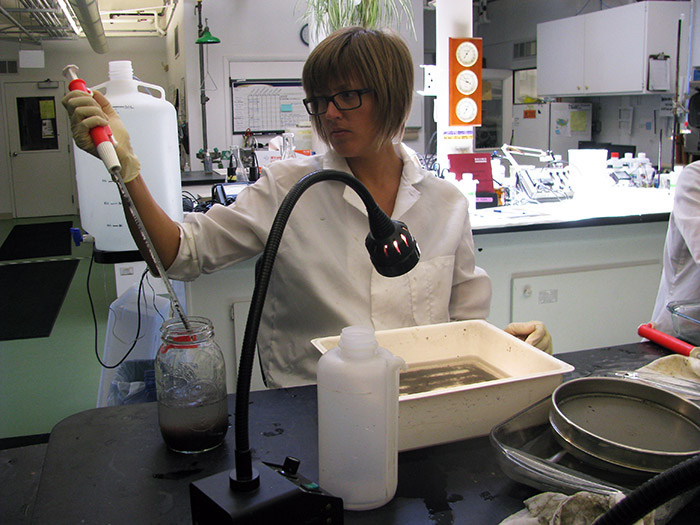
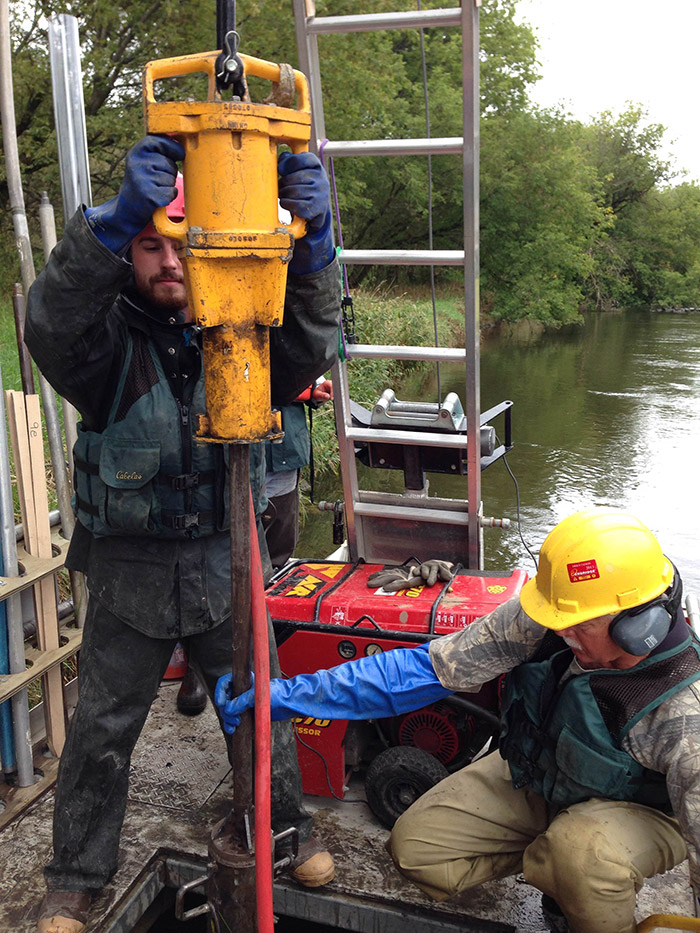
GLEC’s approach to sediment quality and sediment toxicity testing is based upon an integrated approach that assesses sediment quality by combining laboratory in-life exposure of aquatic organisms with chemical monitoring and field based bioassessment techniques. Our sediment toxicity assessment methods follow written standard operating procedures based on established ASTM and EPA guidelines. We understand that it is necessary to implement rapid and cost effective methods while maintaining the bioassay precision, accuracy, and reproducibility. GLEC field investigations of benthic community structure complement our laboratory toxicity testing capabilities allowing assessment of benthic community health in receiving waters. GLEC’s environmental chemistry capabilities complete our integrated approach by providing chemical specific interpretation of sediment quality. Our staff are thoroughly trained in all aspects of sediment toxicity assessment. Our collections from field investigations are verified by replicated collections and second party verification of taxonomic results. Collectively, these capabilities enable GLEC to respond efficiently and quickly to even the most challenging of sediment toxicity assessments.
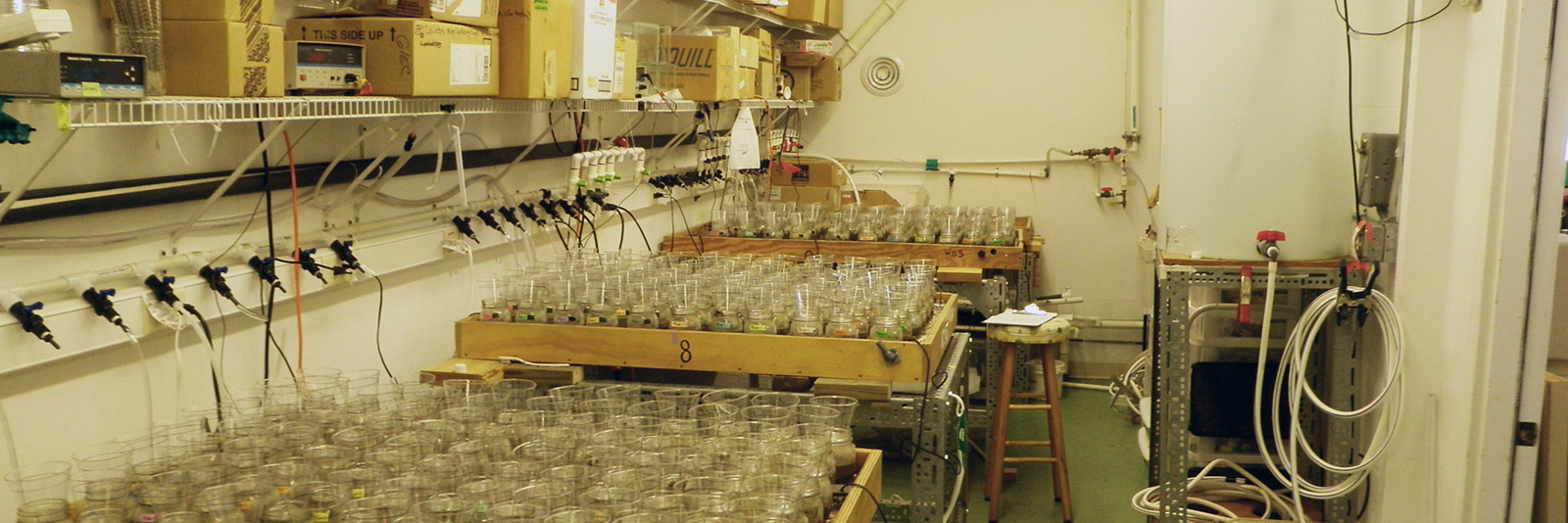
GLEC operates one of the few aquatic toxicology laboratories in the U.S. that maintains NELAP accreditation for sediment toxicity testing and is fully equipped to perform acute and chronic toxicity evaluations of whole sediment, sediment elutriate, and sediment porewater, as well as sediment/tissue bioaccumulation testing and sediment Toxicity Identification Evaluations (TIEs). GLEC’s sediment toxicity assessment methods follow written standard operating procedures that follow the most recent ASTM and EPA guidelines. The laboratory is capable of conducting both static and flow-through sediment evaluations. GLEC cultures most of its freshwater test organisms in-house to enhance quality control through using organisms of known health.