GLEC Supported UCMR-5 Data Now Available
Drinking water is essential, and ensuring it stays safe for human consumption through testing and regulation is equally crucial. In 1974, the Safe Drinking Water Act (SDWA) was established to do just that. The Act helps to ensure the quality and protection of tap water, whether its source is surface or groundwater (1). In 1996, amendments were made to SDWA to put in place an unregulated contaminant monitoring program known as the Unregulated Contaminant Monitoring Rule (UCMR). As a part of its duties under SDWA, the Environmental Protection Agency (EPA) generates a list of 30 unregulated contaminants that might be found in drinking water but are not yet subject to EPA drinking water standards. The EPA facilitates the collection of water samples from Public Water Systems (PWSs) all over the country and collects occurrence data to “support the Administrator’s determination of whether to regulate particular contaminants in the interest of protecting public health” (3). Under SDWA, the EPA has been able to set legal limits for approximately 90 contaminants in drinking water to date (7). A new list of unregulated contaminants is released by the EPA every five years, and a new UCMR cycle begins.
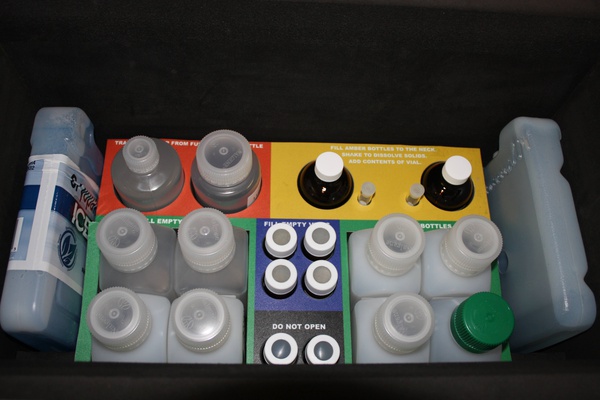
Great Lakes Environmental Center (GLEC), headquartered in Traverse City, Michigan, has been the implementation contractor to the EPA UCMR program since 2000. GLEC’s roles have been providing compliance assistance to PWSs, assembling and distributing drinking water sampling kits, tracking sampling completion, and providing support with analysis results. Since the beginning of UCMR, GLEC has shipped over 84,178 drinking water sampling kits to PWSs across the states, tribes, and territories of the United States.
According to the EPA, “a public water system provides water for human consumption through pipes or other constructed conveyances to at least 15 service connections or serves an average of at least 25 people for at least 60 days a year” (5). PWSs provide drinking water to about 90 percent of Americans, and Traverse City is no exception. The City of Traverse City’s water system distributes drinking water to over 40,000+ full time residents and visitors (8). The water plant is permitted to pump over 20 million gallons of water per day in the summer months, usually pumping around 12-14 million gallons (6). This staggering number highlights the vast scale at which water is used or consumed in Traverse City alone. It also emphasizes the importance of testing drinking water for both regulated and unregulated contaminants.
The fifth UCMR cycle is concluding in 2026, and over 10,000 large (serving >10,000 people) and small (serving <10,000 people) PWSs have participated in sample collection. UCMR 5 represents the largest cycle in the program's history, largely due to its focus on per- and polyfluoroalkyl substances (PFAS). The 30 unregulated contaminants monitored for UCMR 5 included 29 PFAS chemical substances and Lithium (1). PFAS are considered “forever” chemicals that are used in products such as nonstick pans, water and grease-resistant products, fire extinguishing foam, food packaging, and health care products. Lithium is a metal that naturally occurs in Earth’s soils and is used in pharmaceuticals, batteries, and other products. Both unregulated contaminants pose public health concerns and can be found in drinking water. Research is still ongoing for health effects related to PFAS and lithium exposure and consumption.
The EPA just released the 11th round of data for UCMR 5, and it can be found here: UCMR5 Data Finder. The 12th and final data set is projected to be released in the fall of 2026. You can use the UCMR 5 data finder to see if there were any detections of PFAS or Lithium in your public water system. The City of Traverse City is classified as a large water system and completed its UCMR 5 monitoring in 2024. Fortunately, no detections of either contaminant were found. GLEC is proud to be a part of this initiative through the EPA to ensure regulatory action is upheld to protect public health and provide clean drinking water for generations to come.https://www.epa.gov/dwucmr/fifth-unregulated-contaminant-monitoring-rule
References
1. https://www.epa.gov/dwucmr/fifth-unregulated-contaminant-monitoring-rule
2. https://www.epa.gov/laws-regulations/summary-safe-drinking-water-act
3. https://www.epa.gov/dwucmr/learn-about-unregulated-contaminant-monitoring-rule
4. https://www.archives.gov/federal-register/the-federal-register/about.html
5. https://www.epa.gov/dwreginfo/information-about-public-water-systems
6. https://www.traversecitymi.gov/government/city-departments/water-treatment-plant/water-treatment-plant.html
7. https://www.epa.gov/dwreginfo/drinking-water-regulations
8. https://flowwateradvocates.org/protecting-traverse-citys-tap-water/#_ftn3
Share on Facebook